CPTSD Therapy
Online Therapy UK & Europe and worldwide
CPTSD therapy
I work with adults who suspect or have been diagnosed with Complex PTSD (CPTSD) following childhood trauma.Many of my clients have achieved a lot in life: careers, degrees, relationships but still feel stuck, empty, or unsure why they can’t move forward.
Who I work with
I work with adults affected by childhood trauma, including:
Emotional, physical, or sexual abuse
Emotional neglect (CEN)
Growing up with a narcissistic, controlling, or abusive parent
Feeling unsafe, unloved, or alone
Feeling bad about yourself, empty or numb
People with emotionally immature parents
These can all lead to flashbacks, feeling persistently bad about yourself and relationship issues that come with CPTSD.
What if you’ve already tried therapy?
Many clients come to me after trying different approaches: meditation, self help, or even multiple therapists.You probably already understand a lot about trauma and wonder why you’re still stuck. I find this normally happens when people need help with emotions; either learning to feel them or struggling to experience them without being overwhelmed.In CPTSD emotions can feel dangerous, but this can be changed.
How CPTSD therapy works
I help you:
Identify patterns in relationships, self-esteem, and emotional responses
Deconstruct emotional flashbacks and triggers and manage them
Deal with difficult emotions without shutting down
Unpick and change unwanted behaviours
Practice healthy new behaviours
Session Details
Format: Online via Zoom
Duration: 50 minutes
Cost: £130 per session
Frequency: Weekly recommended (minimum twice per month)
Are we a good fit?
If you:
Want guidance on change, not just empathy or listening
Are willing to take responsibility for thinking about your issues between sessions
Want to see what’s keeping you stuck and how to move forward
Prefer someone who understands trauma from experience, not just textbooks
Related resources
What is CPTSD and do I have it?What is an emotional flashback?
Childhood trauma courses — work at your own pace
You don’t need to know exactly what’s wrong: just be willing to take the first step.
Book a Free 15-Minute Call to see if we’re a good fit to work together.

You’re fine.
Only you’re still googling ‘why am I so unhappy?’
Because every shitty day feels like a disaster,
Every snarky email from your boss plays on repeat, and everywhere you go you’re still fighting the thought you're not good enough.
Anyone without access to your phone would buy your story.
But your late night research, the books you read and your endless search tells a different story.
Some people call this childhood trauma, CPTSD or emotional neglect.
Often people don’t use those words at all, they just know something doesn’t feel right even if they can’t fully explain why.

How therapy helps…
Intellectualising or lack of emotions: Learning to notice emotions as they happen, rather than analysing them afterwards.
Panic attacks: Beginning to understand what triggers them, so they become less intense, easier to recover from, and happen less often.
‘Over reactions' or flashbacks: Recognising triggers sooner, so things don’t escalate as quickly, and emotional reactions gradually feel less intense and less frequent.
Self criticism: Becoming less harsh and self critical, so it becomes easier to try new things and recover when things don’t go well.
Estrangement & complicated family dynamics: Changing how you relate to family patterns, so things feel less confusing, overwhelming or emotionally draining.
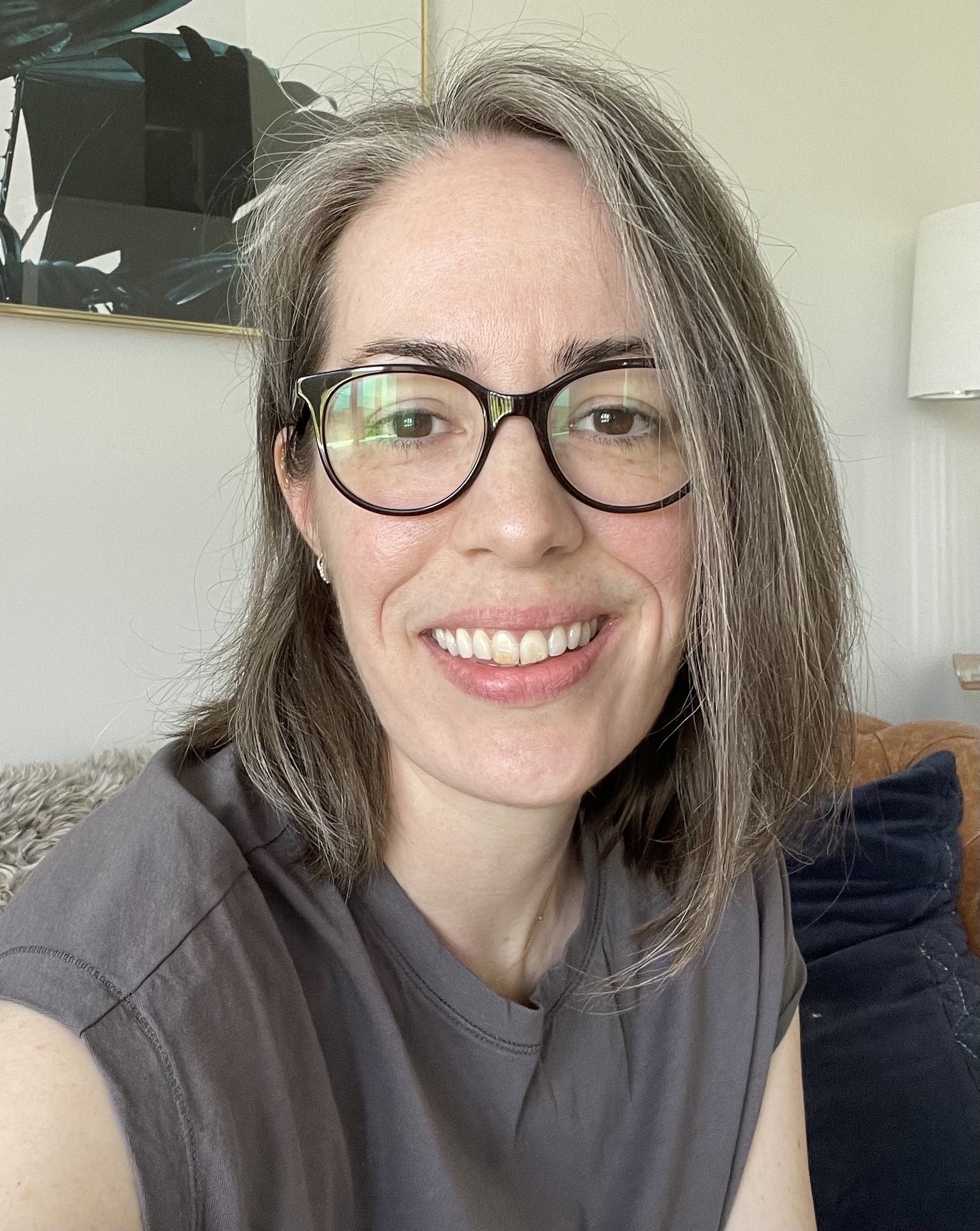
Hi, I’m Sarah.
I’m a UKCP registered Psychotherapist with a Masters level training in Psychotherapy.
I work well with people who think they should have figured this out by now.
The people who minimise their past because “it wasn’t that bad,” while privately wondering why they still feel anxious, disconnected or not good enough.
Many have spent years trying to think their way out of things, reading books, listening to podcasts or seeing therapists who mostly nodded sympathetically while they spiralled alone afterwards.
I help people understand where they’re stuck, why those patterns developed and what actually needs to change.
I work in a clear, active way and explain what we’re doing and why, so you’re not left trying to decode the process or survive on vague reassurance alone.
Because trying to figure this out on your own has already cost you years of confusion and self blame.
We start with a conversation. Your goals, experience level, and pace shape the structure of your instruction. From the outset, you are immersed in the language as it is naturally spoken.
→ Book an Intro Call
Press

NonchalantCosmopolitanRefinery29Violet SimonMetroFatherlyIndependentMarie ClaireFind your native voice.
Book a class with one of our expert tutors today.

For learners building conversational confidence and core comprehension. By the end of Foundation, learners develop confident conversational ability in everyday settings and improved real-time comprehension.
≈
12 private sessions (60 minutes each)
Recommended cadence: 1–2 sessions per week
≈
What’s Included
Personalized fluency assessment and learning roadmap
12 native-led immersive sessions
Focus on spoken dialect and foundational rhythm
Guided conversational practice from week one
Custom lesson summaries after each session
Direct educator messaging between sessions (light support)

For professionals, heritage learners, or serious students seeking natural, high-level fluency. Learners achieve fluid, natural communication with greater cultural accuracy, tonal control, and conversational confidence in dynamic settings.
≈
24 private sessions (60 minutes each)
Recommended cadence: 2 sessions per week
≈
What’s Included
Comprehensive fluency diagnostic and custom curriculum
24 native-led immersive sessions
Advanced dialect coaching and contextual phrasing
Business or cultural specialization (optional track)
Structured immersion exercises between sessions
Ongoing educator feedback and performance tracking
End-of-program fluency evaluation